Mold After Fire Damage in Archbald, PA
Mold removed from wet drywall, insulation and sound framing after a fire in your Archbald property. Call 24/7 to start your moisture assessment and cleanup.
- Firefighting water traced
- Containment and HEPA filtration
- Wet materials assessed
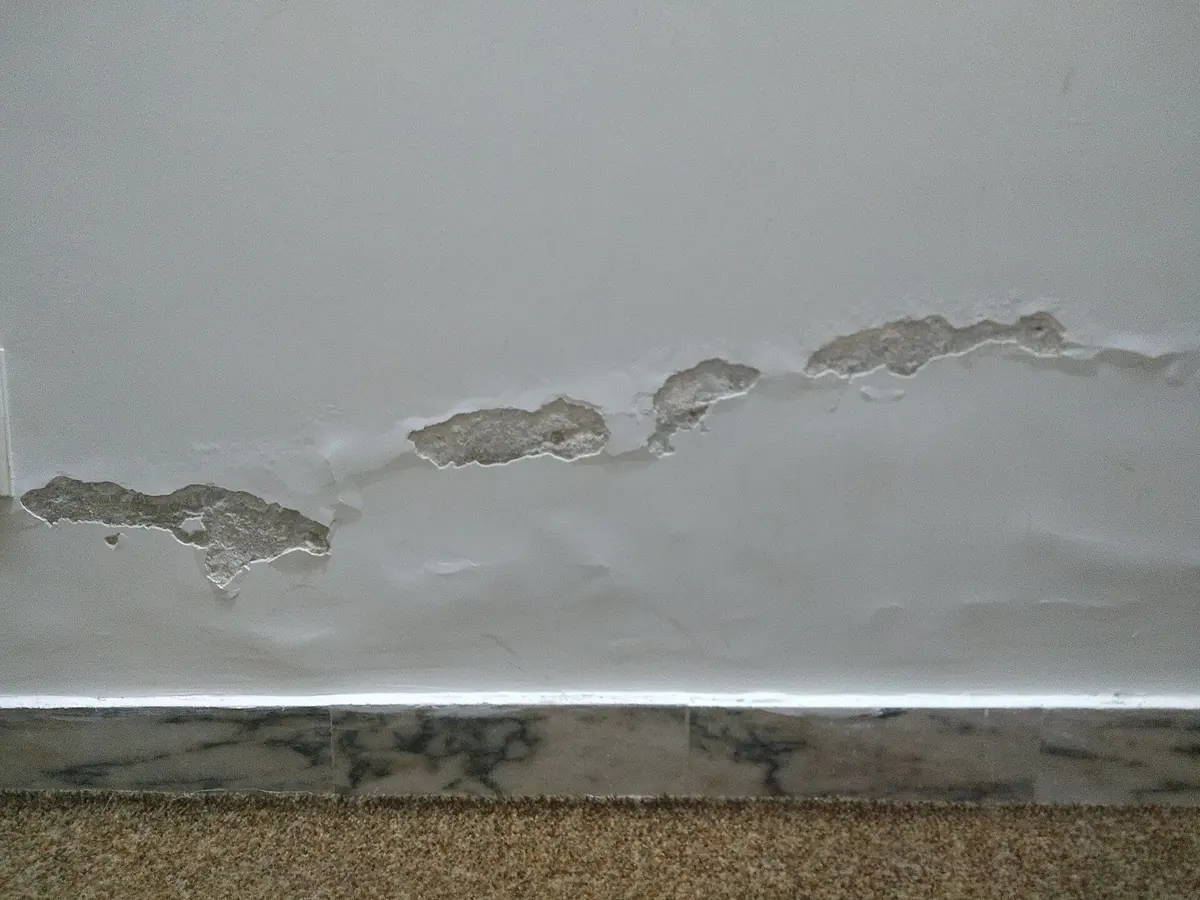
Services for Mold After Fire Damage in Archbald
Your walls and ceilings, along with floor layers and attic framing, are included in mold cleanup where firefighting water reached them. Sound surfaces are dried after cleaning, while damaged materials come out.
Rooms spared by the flames can still get wet during firefighting. Moisture mapping traces damp insulation, drywall and hidden cavities, extending past the mold you can see.
Your written scope of work separates mold removal from fire restoration, soot cleaning and burned materials. Access stays limited to areas released for entry.
- Firefighting water and moisture source assessment
- Contained drywall and insulation removal
- Sound framing and cavity cleaning
- Structural drying with moisture readings
- Final checks before replacement finishes
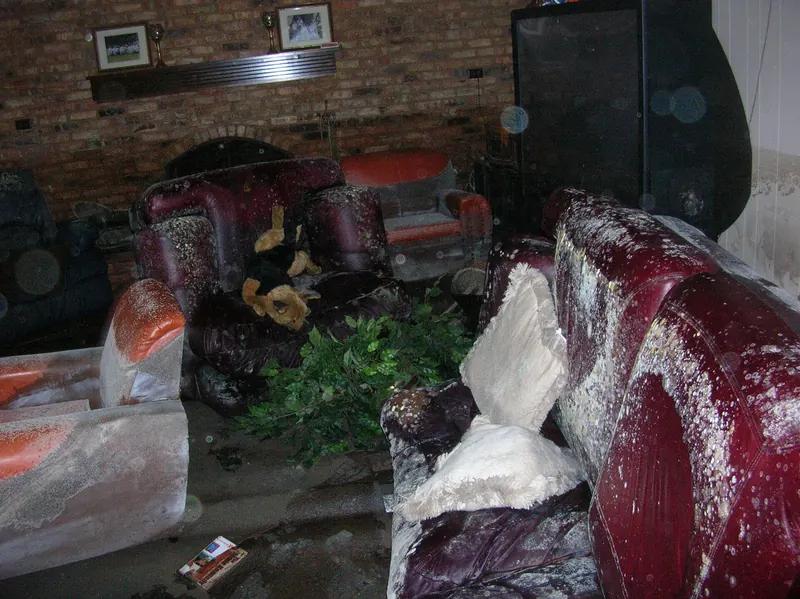
After a Fire in Archbald: Signs That Mold Cleanup Is Needed
After a fire, have growth, musty smells and damp areas assessed.
Wet Insulation Under Roof Openings
Insulation stays damp where water entered your attic.
Mold on Previously Wet Walls
Away from flames, you notice spots where firefighting water reached trim or drywall.
Damp Ceilings Below the Fire
You may notice soft or stained ceilings where water remains between floors.
Musty Odor Beneath Smoke Odor
You still notice a musty smell despite fading smoke odor.
Mold Near Floor Edges and Cabinets
Growth or swelling appears around cabinets, baseboards or flooring.
Mold Cleanup Following Fire Damage: How Work Proceeds
Your cleanup moves from permitted access through removal, drying and verification.
Access and Mold Assessment
Entry restrictions establish accessible rooms. Dampness is mapped using a moisture meter; a thermal imaging camera detects temperature variations, not mold.
Moisture Source and Cleanup Scope
Water paths, roof openings and leaks are assessed. The scope separates mold work from water removal, board-up, leak repair and smoke damage restoration.
Mold Containment and Filtration
Poly sheeting forms a containment barrier. Protective equipment, negative air pressure and a HEPA air scrubber limit particle spread.
Damaged Material Removal
Bagging takes place within containment for unsalvageable water-damaged materials and moldy insulation. A protected path carries debris away as drywall removal opens up affected cavities.
Framing and Surface Cleaning
Sound framing and non-porous surfaces receive HEPA vacuum cleaning and appropriate damp cleaning. Antimicrobial treatment does not replace removal; soot requires separate cleanup.
Structural Drying
Controlled air movers and dehumidification assist the drying process. Drying equipment settings respond to moisture readings alongside correction of continuing water entry.
Mold Cleanup Verification
Post-remediation verification covers drying and cleaning. When clearance testing is specified, an independent assessor carries out testing.
Containment Removal and Repair Handoff
Containment comes down after final cleaning and verification. Replacement finishes follow moisture corrections and any necessary fire and water damage repairs.
Why Pick Scranton Mold Removal Services for Mold After Fire Damage
Clear Mold Cleanup Scope
In your scope, rebuilding and smoke cleanup remain separate from mold removal plus drying.
Calls Answered 24/7
One number starts your post-fire mold assessment across the metro, including nights and weekends.
Firefighting Moisture Traced First
Before removal, assessment follows water through floor layers, ceilings and cavities within walls.
Removal Through Final Checks
Complete material removal, cleaning and drying ahead of containment removal and final checks.
Contained Work With HEPA Filtration
Containment shields nearby areas; HEPA filtration is selected to suit material removal.
Before Post-Fire Mold Cleanup in Lackawanna County
Keep restricted areas undisturbed and call to arrange your assessment.
- Respect Fire Restrictions. Access to wet materials comes after attention to structural and electrical dangers.
- Leave Mold Undisturbed. Do not scrape growth, pull insulation or disturb mixed fire debris.
- Keep Affected HVAC Off. EPA says suspected mold-contaminated equipment should not run because it can spread mold spores.
- Avoid Wet Wiring. Avoid water beside outlets, electrical panels or damaged fixtures.
- Keep the Work Area Clear. People and pets must stay clear of both affected rooms and the debris exit path.
Archbald, PA: Mold After Fire Damage Costs
These national mold cleanup and repair ranges overlap. They are not added together or treated as a complete fire restoration price.
Typical national range, average $3,500
$1,500 to $9,000 per jobSource: Fixr, Mold Remediation Cost (checked 2026-10-23)Restoration for severe cases
$10,000 to $20,000 per jobSource: Fixr, Mold Remediation Cost (checked 2026-10-23)Damage repair after remediation
$2,000 to $20,000 per jobSource: Bob Vila, Mold Remediation Cost (cites Angi and HomeAdvisor) (checked 2026-10-23)Professional rate for areas over about 10 square feet
Per square foot: $10 to $30Source: Fixr, Mold Remediation Cost (checked 2026-10-23)What Changes Post-Fire Mold Cleanup Cost
- Replacement finishes
- Affected square footage
- Access behind walls and ceilings
- Separate roof and leak repairs
- Drying equipment and moisture levels
- Insulation and debris volume
The Scope and Price of Your Cleanup
These published national ranges are planning figures. Your on-site assessment defines the work and price before cleanup starts, including any separate source repairs or rebuilding.
Call (844) 352-3560 about costMold After Fire Damage Service Area Across Greater Scranton
Call (844) 352-3560 to arrange cleanup in Archbald or nearby communities. One number covers the metro.
ZIP codes
Frequently Asked Questions About Mold After Fire Damage in Archbald
In Lackawanna County, what is the mold cleanup cost after a fire?
Affected square footage, hidden moisture and necessary removal and drying determine your price. National ranges appear on the cards, using differing units and scopes. Before work begins, your assessment sets mold cleanup charges and separately identifies replacement finishes, moisture repairs and smoke cleaning.
How long should you allow for mold cleanup following a fire in Archbald?
Assessment and allowed access shape your schedule. Work requirements differ for opening wet cavities, taking out insulation and drying framing. Moisture readings guide drying time. When you can reopen rooms and install replacement finishes depends on final checks and fire repairs.
Is testing needed before or after post-fire cleanup?
With visible mold, EPA guidance says air sampling is often unnecessary. Determine the affected area through inspection plus moisture mapping. Verification of cleaning and drying precedes dismantling containment. Specified clearance testing is carried out by an independent assessor. No federal limit exists for indoor mold levels.
Can you stay in the property during mold cleanup?
Your ability to occupy the property rests on fire restrictions, usable utilities and structural condition. Occupied rooms must be isolated from mold work, with a controlled route for debris. Set access restrictions ahead of removal. Containment does not by itself establish suitability for occupancy, and repairs leave some properties unoccupied throughout.
Do you need to remove every fire-damaged section of drywall and framing?
Condition checks and damage assessment guide what comes out. Sound framing can often undergo cleaning and drying, but moldy insulation and drywall may require disposal. Burned wood needs a separate structural assessment. Your scope distinguishes mold removal from fire demolition and structural repairs.
Is mold likely to reappear after cleanup?
If dampness lingers or water returns, you may see mold again. Your cleanup traces firefighting water and ongoing leaks before removal. Sound surfaces undergo cleaning and drying; the scope specifies corrections for moisture. To avoid concealing damp materials, install replacement finishes after checking drying.
During mold cleanup, do you also get repairs for leaks and smoke damage?
Your scope must list leak repair and smoke cleaning for either to be included. Assessment finds continuing water entry and distinguishes corrective work from mold removal. Soot and burned materials need fire restoration work. Drying and verification precede new finishes over affected areas.
Pennsylvania Insurance and Mold Cleanup After a Fire
Homeowners insurance depends on your policy, moisture cause, exclusions, mold coverage limits and deductible. Your insurance claim may treat mold cleanup and fire repairs differently.
Post-Fire Mold Work and Safety Across Greater Scranton
Access controls, fire damage and contaminated water shape your cleanup.
Mixed Fire Debris
After exposure to damaged materials and soot, the water's condition is checked.
Restricted Work Zones
An air filtration device works with containment to reduce particle movement as materials come out.
Structural Damage
You cannot confirm that burned framing will bear its load with mold cleaning.
Hidden Mold
Wet cavities need assessment even where nearby finishes look dry.
Cleanup scope: EPA guidance for homeowners covering areas under about 10 square feet does not address fire hazards. Extensive damage, HVAC involvement or contaminated water calls for professional assessment.
Fire-Water-Damaged Mold Materials in Lackawanna County
Cleaning or removing your materials depends on their condition.
Drywall and Insulation
- You may need affected porous materials taken out so hidden cavities can be exposed and dried.
Wood Framing
- Sound wood receives cleaning and drying. Assess fire-damaged framing separately for structural condition.
Tile, Metal and Floor Layers
- Accessible non-porous surfaces may be cleanable. Each damaged carpet, cabinet and subfloor receives assessment.
Mold Cleanup After a Fire: Scheduling in Lackawanna County
Your schedule follows access, removal, drying and repairs.
- Access Restrictions: Room restrictions postpone the assessment and delay starting removal work.
- Concealed Moisture: Drying within opened floor and wall assemblies is tracked through repeated readings.
- Repair Readiness: Replacement finishes wait for moisture corrections and final verification.
After Fire Damage: Mold and Smoke Odor in Greater Scranton
Assess materials and dampness to address your musty odor. For smoke smells and soot, separate fire cleaning is needed. Neither source is fixed by fragrance.
EPA recommends indoor relative humidity below 60 percent, ideally 30 to 50 percent. A dehumidifier supports humidity control but does not fix leaks or remove mold.
Pennsylvania Requirements for Fire Repairs and Mold Work
Mold Work Requirements
Pennsylvania has no state mold regulations, and no statewide license for mold assessors or remediators was found. Ask any contractor about their mold training and check local contractor rules.
EPA Guidelines for Drying
Within 24 to 48 hours, dry areas and items damaged by water to prevent mold growth.
Fire Repair Permits
Your permit needs depend on planned work involving the structure, electrical systems or roof.
State Mold Information
The Pennsylvania Department of Health's Division of Environmental Health Epidemiology answers questions about mold and health at [email protected] or 717-787-3350. The Department of Environmental Protection says it has no authority over indoor air quality in homes or apartments.
State guidance: Pennsylvania Department of Health, What You Should Know About Mold: The Basics; Pennsylvania DEP, Submit an Environmental Complaint
Related Services and Next Steps
Start Your Mold After Fire Damage in Archbald
Call 24/7 to arrange your assessment. Your cleanup starts with the affected surfaces, moisture source and access to your home.